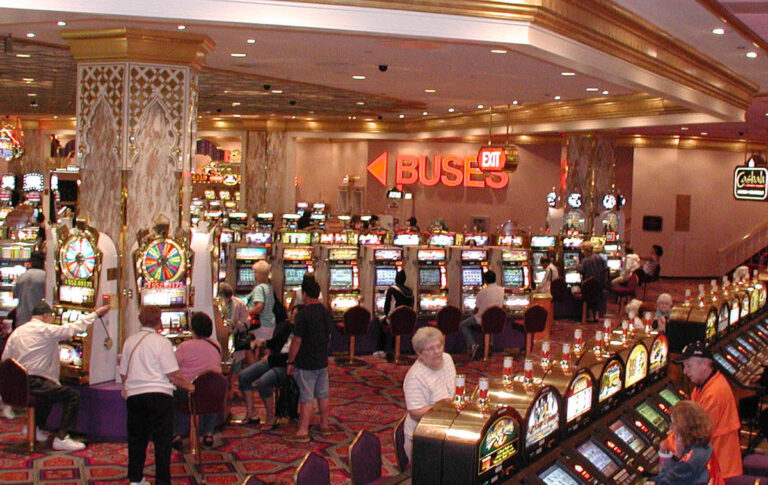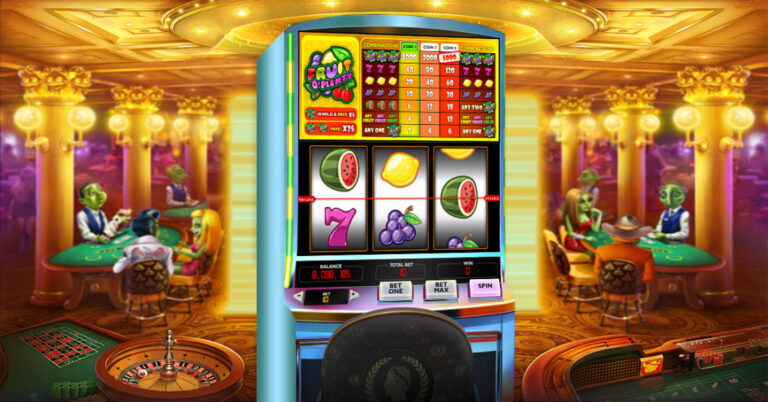

Slot volatility becomes clearer when hit frequency and prize size are examined together. A game with frequent small payouts behaves differently from one offering rare, substantial rewards. For players exploring situs slot gacor, understanding these mechanics helps distinguish short-term outcomes from long-term probability. Hit frequency measures how often winning combinations occur, while prize distribution describes their potential values. Together, these indicators explain payout patterns without promising future results.
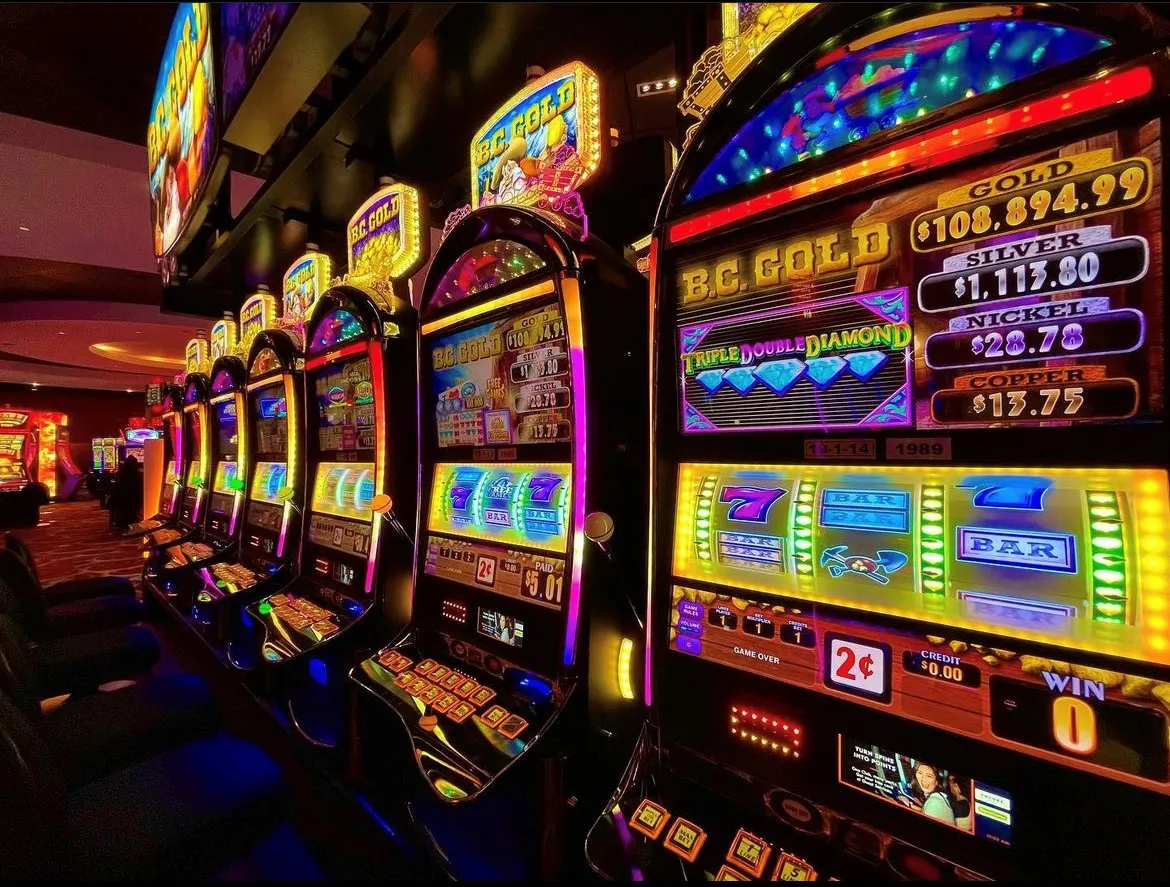
Prize Distribution Reveals Reward Patterns
Prize distribution shows how rewards spread across different values. Four outcomes help explain its practical meaning:
- Small prizes can occur at frequent intervals.
- Medium awards contribute moderate balance increases.
- Large payouts may have lower probabilities.
- Bonus rounds can account for substantial returns.
The balance between these outcomes determines potential swings. A rare jackpot can influence total returns disproportionately.
Hit Frequency Shapes the Pace
Hit frequency records the share of spins producing qualifying payouts. A 30% rate means roughly thirty wins per hundred trials. Actual sequences can differ because outcomes remain random. For situs slot gacor, checking published hit rates clarifies expected payout frequency, not guaranteed returns. A small award may still fall below the original stake.
What Does Volatility Actually Measure?
Volatility describes the spread of potential results. Lower volatility tends toward smaller, more frequent awards. Higher volatility can produce longer losing stretches and larger prizes. Neither profile guarantees profit. Two games sharing identical RTP figures can still deliver different experiences because payout timing and prize sizes vary.
Reading RTP Beside Hit Frequency
RTP estimates the share of wagers returned over extensive play. Hit frequency measures qualifying wins, not their monetary value. Consider these comparison points:
- RTP describes theoretical long-term returns.
- Hit frequency measures winning-round frequency.
- Volatility indicates variation in outcomes.
- Stake size determines money risked per spin.
Read together, these measures offer a fuller mathematical picture.
Why Can Short Samples Mislead?
A hundred spins cannot establish a game’s long-term behavior. Random sequences may cluster wins or produce extended dry spells. Previous losses do not make the next outcome more likely. Reliable interpretation depends on published game specifications, rather than isolated session results or memorable jackpots.
A Single Session Cannot Define Risk
A displayed 30% hit rate describes a probability model, not a schedule. Ten consecutive losing spins remain possible even with frequent expected wins. The key distinction is between theoretical frequency and lived outcomes. Recognizing that gap helps keep entertainment budgets separate from expectations about future payouts.
Frequently Asked Questions
1. What is slot hit frequency?
It measures the proportion of spins producing qualifying wins. A winning spin may still return less than its stake.
2. Does high volatility mean bigger profits?
No. High volatility means outcomes can vary more widely. Larger prizes remain uncertain, and losses are possible.
3. Can RTP predict the next spin?
No. RTP describes expected returns over extensive play. It cannot predict an individual result or session.
4. Why compare prize distribution and hit frequency?
Hit frequency describes how often prizes occur. Prize distribution reveals their sizes and contribution to overall returns.
About the Author